STRONGEST RECENT EVIDENCE BY SYSTEM
Evidence by System
Twenty recent studies on micro- and nanoplastics in air, water, soil and the human body, each graded A to E for its key finding. Detection is well documented, amounts are often disputed, and effects in people are not established.
In every system, the strongest recent evidence is about presence: plastic turns up in air, clouds, lakes, tap water, farm soils and human tissue. Evidence on amounts is weaker, and evidence of harm to people is limited to associations and animal studies. Even the measurements are in question. In 2026 a Michigan team reported that dry contact with ordinary lab gloves left a mean of about 2,000 false "microplastic" signals per square millimeter (level C)1.
How the studies were chosen and graded
This page is a ledger, not a narrative. Each card is one study on occurrence, exposure or effects: what was measured, where, sample size, main number and main limitation. We gave priority to peer-reviewed papers from 2023 to 2026 that state their method and size range. Better-known work, such as the 2022 blood study, sits on Landmark studies. Studies of filters, treatment and other fixes are on Solutions by system.
The selection is targeted, not a systematic review, drawn from the site's registry and PubMed and Crossref searches. "Strongest" means the best documented method and scope among the studies we read. The blood-method, glove and confidence-framework papers are carded here; Landmark studies links to them.
Each card's level is for its key finding, not the whole study. A single well-run study usually earns C; a finding confirmed by several independent groups earns B; a finding contradicted in print earns D, and the card shows both sides. The rubric is on Evidence levels, and the same findings sorted by level are on Evidence by status. Open questions are collected on Knowledge gaps.
Snapshot: 4 November 2026. Literature searched up to 3 November 2026.
The findings on this page by system and evidence level
Data table
| label | value | unit | system | level |
|---|---|---|---|---|
| Air · C | 5 | findings | air | C |
| Water · C | 4 | findings | water | C |
| Soil · C | 3 | findings | soil | C |
| Soil · D | 1 | findings | soil | D |
| Soil · E | 1 | findings | soil | E |
| Human · C | 6 | findings | human | C |
| Human · D | 1 | findings | human | D |
Air: indoor exposure is measured, city sources are traced
Air has gained the most new data since 2023. Indoor studies identify particles down to about 1 µm, and polymer-specific mass methods reach city air. In the two European cities below, tire wear is the largest single share of airborne plastic mass. How much plastic the world emits into the air is disputed; the 2026 comparison of emission models with measurements is covered on Atmosphere and Landmark studies21. The last card is a warning about the measurements.
Two 2026 model studies revise the direct climate effect of airborne plastic from small (2021) to a slight warming of about +0.04 W/m², with one model including nanoplastics22,23,24,25. Both are conditional model estimates that depend on assumed concentrations, colors and sizes, not observed climate effects; they are graded on Evidence by status.
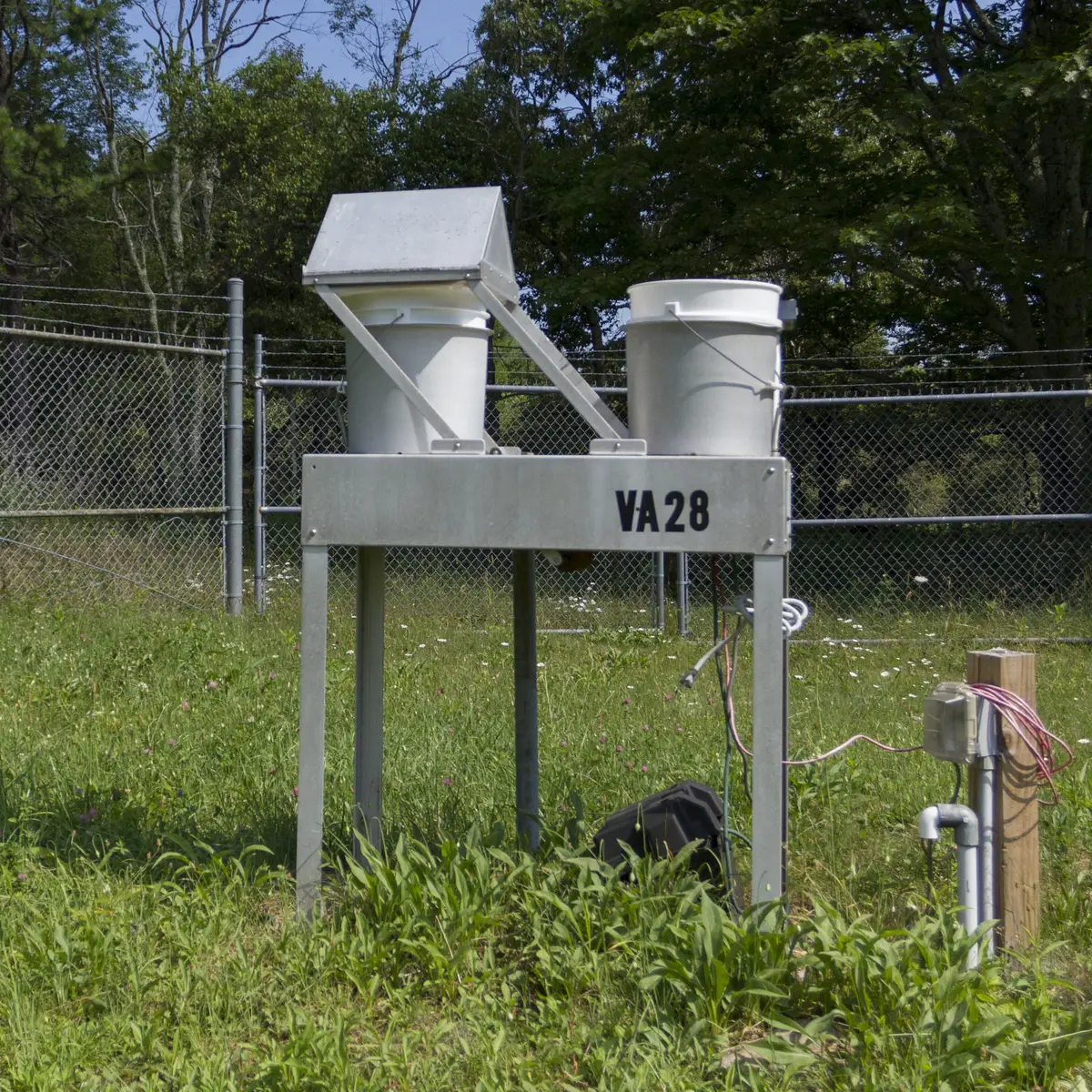
Human exposure to PM10 microplastics in indoor air
Homes and car cabins, Toulouse (Yakovenko et al., 2025). The team sampled indoor air in three apartments and two cars from January to May 2023 (12 samples) and identified particles by Raman spectroscopy down to about 1 µm. Median concentrations were 528 particles/m³ in homes and 2,238 particles/m³ in cars, and 94% of particles were 1–10 µm, small enough to reach the deep lung. With published data, the authors estimate that an adult inhales about 68,000 such particles a day, an estimate, not a measurement. Limitation: only 0.3% of each filter was analyzed and scaled up, and the home–car difference was not statistically significant.
Read the study ↗Composition, interactions and resulting inhalation risk of micro- and nano-plastics in urban air
Size-fractionated roadside air, Leipzig (Kaushik et al., 2025). Particulate matter below 10 µm was sampled at one busy roadside site for two weeks in September 2022 and analyzed by pyrolysis gas chromatography–mass spectrometry (py-GC/MS), which reports polymer mass rather than particle counts. Plastic averaged 0.6 ± 0.2 µg/m³, split evenly between fine and coarse fractions. Tire wear particles made up about 65% of it. The polyvinyl chloride (PVC) signal cannot be told apart from soot. Limitation: one site, which the authors treat as an upper-limit exposure; their mortality risk figures apply general fine-particulate coefficients to plastic and are model estimates, not observed outcomes.
Read the study ↗Airborne microplastics on the move: Urban Europe as a source to remote regions
Oslo and remote Norway (Herzke et al., 2026). Suspended and deposited airborne microplastics were sampled in parallel at urban and remote Norwegian sites and analyzed polymer by polymer with py-GC/MS. Microplastics appeared in nearly all samples. In Oslo, tire wear particles made up more than 90% of airborne microplastic mass and peaked when drivers switched to winter tires. In short episodes they reached up to 30% of fine particulate matter (PM2.5). Remote sites showed lower but steady levels, which the authors attribute to long-range transport from European source regions. Limitation: one country, and attribution at remote sites depends on transport modeling.
Read the study ↗Airborne hydrophilic microplastics in cloud water at high altitudes and their role in cloud formation
Cloud water above Japan (Wang et al., 2023). Researchers collected cloud water at three mountain sites between about 1,300 and 3,776 m altitude, including the summit of Mount Fuji, and identified particles by infrared imaging and micro-FTIR spectroscopy. They found nine polymer types at mean concentrations of 6.7 to 13.9 pieces per liter, with sizes from 7.1 to 94.6 µm. Many particles carried water-attracting groups, which the authors propose could help seed droplets or ice. It shows plastic traveling inside clouds. Limitation: the size floor near 7 µm misses nanoplastics, and the cloud-seeding role is a hypothesis, not a measurement.
Read the study ↗Avoiding and reducing microplastic false positives from dry glove contact
Gloves as a source of false positives (Clough et al., 2026). While measuring airborne microplastics in Michigan, the team traced spurious counts to stearate salts on disposable gloves. Their infrared and Raman spectra resemble those of microplastics, so library matching misidentifies them. Dry contact with ordinary nitrile and latex gloves left a mean of about 2,000 false positives per square millimeter; a nitrile cleanroom glove left about 100. The errors concentrate below 10 µm. Limitation: how many earlier datasets are affected is not established; the authors give workflows and stearate spectra to separate the two.
Read the study ↗Water: the longest record, with estimates that differ
Water has the longest record. The ocean studies below are model estimates built on field samples, with different size classes and methods, so their totals should not be added or compared. Both are far below the 30 million metric tons (30 Mt) on the home water card. That OECD (2022) model estimate counts all plastic in the sea, not only floating or buoyant pieces26,7. Lakes and drinking water add direct measurements; context is on Oceans.
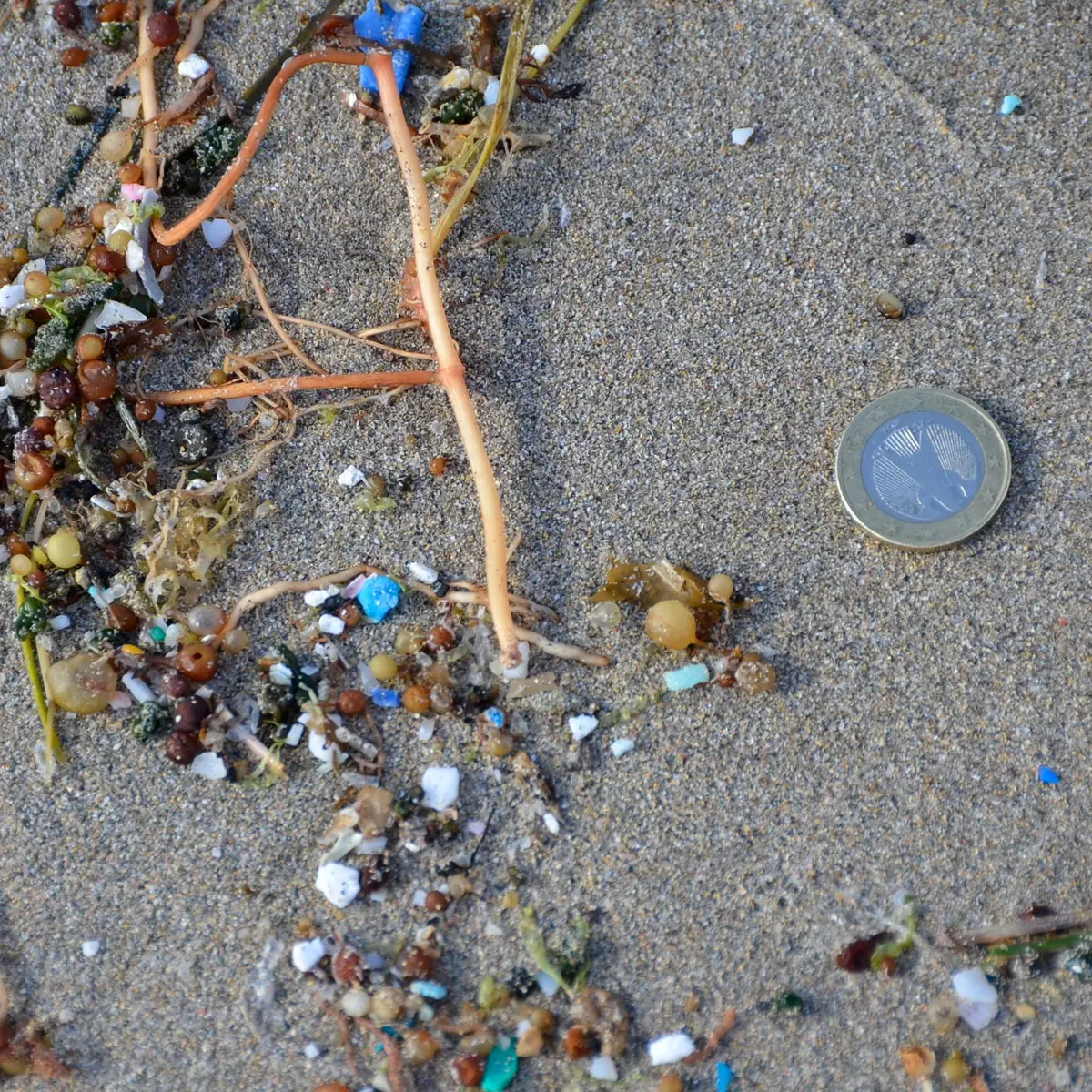
A growing plastic smog, now estimated to be over 170 trillion plastic particles afloat in the world’s oceans—Urgent solutions required
Floating plastic in the world's oceans, 1979–2019 (Eriksen et al., 2023). The team combined published and new surface-net data from 11,777 stations into a global time series. For 2019 they estimate 82 to 358 trillion floating plastic particles weighing 1.1 to 4.9 million metric tons. They find no clear trend before 1990, a fluctuating plateau until 2005 and a rapid rise since. Limitation: one modeled analysis of pooled data, not yet independently replicated; stations are unevenly spread, and surface nets miss the smallest particles.
Read the study ↗Global mass of buoyant marine plastics dominated by large long-lived debris
Where buoyant ocean plastic sits (Kaandorp et al., 2023). A three-dimensional mass-budget model assimilated observations from coastlines, the ocean surface and the deep ocean for pieces from 0.1 to 1,600 mm. It estimates 3,200 thousand metric tons (kt) of initially buoyant plastic in the ocean in 2020, more than 95% of it (3,100 kt) in pieces larger than 25 mm. Input is about 500 kt a year. On these numbers there is no "missing" ocean plastic. Limitation: a model estimate covering only initially buoyant plastic; nanoplastics are not resolved.
Read the study ↗Plastic debris in lakes and reservoirs
Lakes and reservoirs in a standardized survey (Nava et al., 2023). A cross-national team sampled surface water in 38 lakes and reservoirs for plastic debris larger than 250 µm, using one protocol everywhere. Every water body contained plastic. The most affected were lakes in densely populated, urbanized areas and large lakes with long water-retention times; in the most polluted, concentrations reached or exceeded those reported in subtropical ocean gyres. Limitation: one consortium study; surface water only, and the 250 µm floor excludes small microplastics and all nanoplastics.
Read the study ↗Detection and Quantification of Nanoplastics and Microplastics in Australian Drinking Water
Nanoplastic mass in Australian drinking water (Shi et al., 2026). The team screened tap and bottled water by py-GC/MS, separated particles by size with field-flow fractionation, and checked results with particle tracking and electron microscopy. Average concentrations were 0.3 to 0.7 µg/L for nanoplastics (10–1,000 nm) and 0.5 to 1.5 µg/L for selected microplastics, higher in tap than in bottled water. It combines several independent methods; two of its authors also wrote the blood method study below. Limitation: the polypropylene identification in the nano fraction is called indicative, and tap-water particle counts (one to ten million per milliliter) are not polymer-specific.
Read the study ↗Soil: field counts for microplastics, one for nanoplastics
Soil has the least direct evidence. Field inventories count microplastics from about 20 µm. For nanoplastics we found one field quantification: polystyrene at one compost-amended French site, 2.57 µg/g in the 200–1,000 nm topsoil fraction, about 28 times a reference plot (level C)11. At a second such field, an isotope estimate covers only the mobile fraction in soil water, about 0.25 µg/kg down to 55 cm (level C)27.
A representative, validated nanoplastic mass across polymers and farm soils is not established in the evidence we reviewed (level E); the search is recorded on Evidence by status. Laboratory studies report crop uptake at tested doses, and a crop-loss estimate is disputed. Context: Soil.
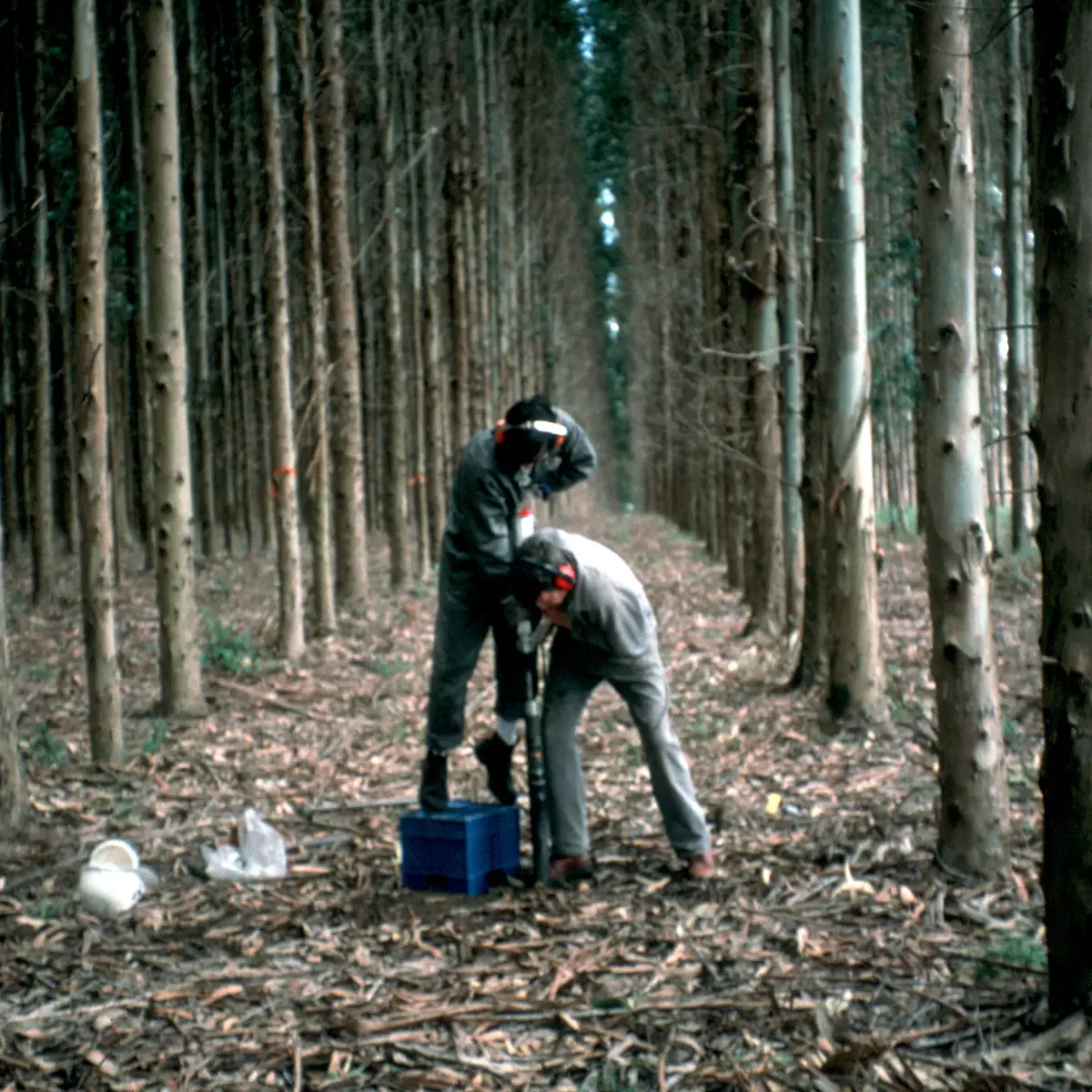
Dynamics of residual film mass and microplastic abundance in long-term plastic-mulched cotton fields
Thirty years of plastic mulch in Xinjiang cotton fields (Zhang et al., 2025). The team sampled 60 field points with 5 to 30 years of mulching history at three depths down to 30 cm. Microplastics of 20–500 µm were extracted by density separation and confirmed by infrared spectroscopy. After 30 years, residual film totaled about 281 kg/ha in the top 30 cm, and the top 10 cm held about 10,000 to 10,800 microplastic fragments per kilogram (the paper gives both values). Accumulation sped up once residual film passed about 160–200 kg/ha. Limitation: one arid region, different fields standing in for different ages, and particles below 20 µm excluded.
Read the study ↗From compost-amended soil to plant tissues: field quantification of environmentally relevant polystyrene nanoplastics and limited translocation in Holcus lanatus L.
Nanoplastics in a compost-amended field, Loire valley, France (Ryzhenko et al., 2026). The field received large amounts of household-waste compost in the 1990s. Soil cores to 90 cm from an amended and a reference plot were composited per plot; the 200–1,000 nm fraction was isolated by filtration and polystyrene (PS) measured by matrix-matched py-GC/MS. Topsoil (0–5 cm) held 2.57 µg/g dry weight, about 28 times the reference plot (0.09 µg/g). Grass roots held 123 µg/g, not size-selected; shoot values were below the quantification limit. Limitation: one site, one polymer, one composite sample per plot; recovery and blank data sit in a supplement we did not read.
Read the study ↗Translocation of nanoplastics from soil to crops impairs pollen viability with potential implications to pollinators
Nanoplastics from roots to pollen (Piovesan et al., 2026). Pumpkin plants were exposed to radiolabeled polystyrene (PS) nanoplastics of about 20 nm at 1 µg/L, near expected environmental levels, and at 1 mg/L, a worst case. The label moved from roots to flowers and concentrated in the anthers; a radiolabel tracks the carbon, not necessarily intact particles. The authors report lower pollen viability, abnormal pollen shape and hydration, and reduced photosystem efficiency in leaves. Limitation: one crop, laboratory conditions, uniform PS spheres; we read the abstract only, which does not say which effects occurred at the lower dose.
Read the study ↗A global estimate of multiecosystem photosynthesis losses under microplastic pollution
A global estimate of photosynthesis and crop losses (Zhu et al., 2025). A meta-analysis of 3,286 data points reports that microplastic exposure lowers photosynthesis by 7.05 to 12.12% across land plants and marine and freshwater algae. A model then estimates annual losses of 4.11 to 13.52% of main crop production, or about 110 to 361 Mt. The crop figure is disputed. Two experts quoted by the UK Science Media Centre call it speculative, since slower photosynthesis may delay growth without lowering final yield; a third sees the study as added evidence for action28. Limitation: an extrapolation from exposure experiments to field conditions worldwide.
Read the study ↗Human body: detection is common, amounts are disputed
Human evidence has grown fastest and is the most contested: many groups report plastic in tissues, but the amounts are disputed. In blood, a method study found that tissue compounds produce false polyethylene and PVC signals in py-GC/MS and suppress the signal for polyethylene terephthalate (PET); each organ matrix needs its own test19. Contamination during sampling is hard to rule out29. Associations with disease are not causes. Landmark tissue studies are on Landmark studies; context is on Human body.
 Illustration
Quantitation and identification of microplastics accumulation in human placental specimens using pyrolysis gas chromatography mass spectrometry
Placenta mass by py-GC/MS (Garcia et al., 2024). The team digested 62 placentas, isolated solids by ultracentrifugation and quantified 12 polymers by py-GC/MS. Every sample contained plastic, from 6.5 to 685 µg per gram of tissue (mean 126.8 µg/g), and polyethylene was 54% of the total. Fluorescence microscopy showed particles and fibers above 1 µm but no nano-sized particles. The amount is disputed: critics of the same laboratory's brain workflow cite fat interference and missing validation29, and in blood py-GC/MS gave false polyethylene signals19; the placenta itself was not retested. Limitation: no independent confirmation of the amounts.
Read the study ↗Microplastics in the Olfactory Bulb of the Human Brain
Olfactory bulb, São Paulo (Amato-Lourenço et al., 2024). Olfactory bulbs from 15 deceased adults who had lived in São Paulo for more than five years were examined by micro-FTIR spectroscopy. Microplastics were found in 8 of the 15: 16 particles and fibers in total, 44% of them polypropylene (PP), with particles 5.5 to 26.4 µm across. Procedural blanks contained no polymers. The olfactory bulb is a possible route into the brain that bypasses the blood–brain barrier. Limitation: 16 particles from 15 people, none reported below 5 µm, and the route itself was not shown.
Read the study ↗Microplastic exposure and the role of dietary patterns in school-aged children
Urine of 10-year-olds, Ma'anshan Birth Cohort, China (Liu et al., 2026). Urine from 1,308 children was screened by laser direct infrared imaging, whose detection floor is 20 µm. Microplastics were detected in 91% of samples at a median of 250 particles/mL; 98% of detected particles were 20–100 µm, and polytetrafluoroethylene (PTFE) appeared in half of the samples. Diet quality was associated with the abundance of some polymer types. Limitation: we read the abstract only, so collection and blank controls are unchecked. Particles this large exceed what healthy kidneys filter, and so high a count makes contamination a question to settle first (our note).
Read the study ↗Microplastics and nanoplastics in brain tumours and the healthy human brain
Brain tumors and healthy brains, China (Li et al., 2026). The team analyzed 156 samples from 113 patients having brain-tumor surgery and 35 samples from eight regions of five post-mortem donors. Particles were counted by laser direct infrared imaging, a subset of samples went to py-GC/MS, and single particles were confirmed by optical photothermal infrared spectroscopy. Surgical air, syringes, infusion sets and other items were tested as contamination sources. Plastic was detected in 99.4% of patient samples and all donor samples. In 23 samples from the five donors, the py-GC/MS median was 50.3 µg/g, a value we take from the publisher's source-data file, about one hundredth of the Nihart 2024 median (our comparison)30. Limitation: samples are not independent people, and the design cannot show cause; a correction fixed figure rounding only31.
Read the study ↗Effects of Microplastic Exposure on Human Digestive, Reproductive, and Respiratory Health: A Rapid Systematic Review
What the health studies add up to (Chartres et al., 2024). A rapid systematic review using the Navigation Guide method searched four databases in July 2022 and April 2024. It included 3 human observational studies and 28 animal studies on digestive, reproductive and respiratory outcomes. The authors conclude that microplastics are "suspected" to harm these three systems, rating some bodies of evidence high quality, and call birth outcomes "unclassifiable". Limitation: the human evidence rests on three observational studies; most findings come from animals at the tested doses.
Read the study ↗Assessing the Efficacy of Pyrolysis–Gas Chromatography–Mass Spectrometry for Nanoplastic and Microplastic Analysis in Human Blood
Testing the main mass method in blood (Rauert et al., 2025). The team developed and validated a py-GC/MS extraction for human blood, then ran a pilot with eight Australian adults sampled fasting and after a meal. Recoveries ranged from 7 to 109%, and realistic detection limits were up to 20 times higher than limits measured in clean water. Polyethylene signals from the blood itself were reduced but not removed, and no other polymer exceeded detection limits. The authors judge py-GC/MS currently unsuitable for polyethylene and PVC in biological matrices, and for PET in blood because of matrix suppression. Limitation: blood only, one laboratory.
Read the study ↗Communicating Confidence in the Reliability of Micro- and Nanoplastic Identification in Human Health Studies
Confidence levels for plastics in human samples (Thomas et al., 2026). This framework paper ranks analytical techniques by how specifically they identify plastic and sets minimum data from independent, orthogonal techniques for each confidence level. It asks for transparent reporting of contamination controls and uncertainty before amounts in human tissue inform health decisions. An independent critique of the brain measurements raises the same concern29; the blood method study shares two authors with this paper19. Limitation: a proposal, not a validated or adopted standard.
Read the study ↗How this list is maintained
We review this page at each snapshot. A study enters when it is peer-reviewed, states its method and size range, and adds something the existing cards do not. A card leaves when a stronger study replaces it, when it is retracted, or when it moves to the landmarks page. A correction triggers a dated re-check: the card is kept, revised or regraded. A public change log is planned; none is recorded yet. Report errors through Corrections & Contact.
Sources
- Clough ME, Ochoa Rivera E, Ayala AM, Parham RL, Pennacchio J, Thurber HE et al. (2026). Avoiding and reducing microplastic false positives from dry glove contact. Analytical Methods 18:2914–2926. doi:10.1039/d5ay01801c journal article open access
- Yakovenko N, Pérez-Serrano L, Segur T, Hagelskjaer O, Margenat H, Le Roux G et al. (2025). Human exposure to PM10 microplastics in indoor air. PLOS One. doi:10.1371/journal.pone.0328011 journal article open access
- Kaushik A, Peter AE, van Pinxteren M, Scholz-Böttcher BM, Herrmann H (2025). Composition, interactions and resulting inhalation risk of micro- and nano-plastics in urban air. Communications Earth & Environment. doi:10.1038/s43247-025-02980-0 journal article open access
- Herzke D, Schmidt N, Lervik AE, Schulze D, Celentano S, Eckhardt S et al. (2026). Airborne microplastics on the move: Urban Europe as a source to remote regions. Environmental Pollution. doi:10.1016/j.envpol.2025.127380 journal article
- Wang Y, Okochi H, Tani Y, Hayami H, Minami Y, Katsumi N et al. (2023). Airborne hydrophilic microplastics in cloud water at high altitudes and their role in cloud formation. Environmental Chemistry Letters 21:3055–3062. doi:10.1007/s10311-023-01626-x journal article open access
- Eriksen M, Cowger W, Erdle LM, Coffin S, Villarrubia-Gómez P, Moore CJ et al. (2023). A growing plastic smog, now estimated to be over 170 trillion plastic particles afloat in the world’s oceans—Urgent solutions required. PLOS ONE. doi:10.1371/journal.pone.0281596 journal article open access
- Kaandorp MLA, Lobelle D, Kehl C, Dijkstra HA, van Sebille E (2023). Global mass of buoyant marine plastics dominated by large long-lived debris. Nature Geoscience. doi:10.1038/s41561-023-01216-0 journal article
- Nava V, Chandra S, Aherne J, Alfonso MB, Antão-Geraldes AM, Attermeyer K et al. (2023). Plastic debris in lakes and reservoirs. Nature. doi:10.1038/s41586-023-06168-4 journal article open access
- Shi K, Okoffo ED, Jiang J, Rauert C, Thomas KV (2026). Detection and Quantification of Nanoplastics and Microplastics in Australian Drinking Water. ACS ES&T Water 6(5):2883–2893. doi:10.1021/acsestwater.5c01404 journal article
- Zhang S, Lian X, Yang X, Zhao Y, Hu C, Zhang H et al. (2025). Dynamics of residual film mass and microplastic abundance in long-term plastic-mulched cotton fields. Frontiers of Agricultural Science and Engineering 13(1):25627 (issue dated 2026). doi:10.15302/J-FASE-2025627 journal article open access
- Ryzhenko N, Dia A, Pattier M, Davranche M (2026). From compost-amended soil to plant tissues: field quantification of environmentally relevant polystyrene nanoplastics and limited translocation in Holcus lanatus L.. NanoImpact 44:100647 (online 19 September 2026). doi:10.1016/j.impact.2026.100647 journal article open access
- Piovesan A, Quartieri S, Faleri C, Bellingeri A, Nepi M, Al Sid Cheikh M et al. (2026). Translocation of nanoplastics from soil to crops impairs pollen viability with potential implications to pollinators. Environmental Science: Nano. doi:10.1039/d5en00969c journal article
- Zhu R, Zhang Z, Zhang N, Zhong H, Zhou F, Zhang X et al. (2025). A global estimate of multiecosystem photosynthesis losses under microplastic pollution. Proceedings of the National Academy of Sciences 122:e2423957122. doi:10.1073/pnas.2423957122 journal article open access
- Garcia MA, Liu R, Nihart A, El Hayek E, Castillo E, Barrozo ER et al. (2024). Quantitation and identification of microplastics accumulation in human placental specimens using pyrolysis gas chromatography mass spectrometry. Toxicological Sciences. doi:10.1093/toxsci/kfae021 journal article
- Amato-Lourenço LF, Dantas KC, Júnior GR, Paes VR, Ando RA, de Oliveira Freitas R et al. (2024). Microplastics in the Olfactory Bulb of the Human Brain. JAMA Network Open. doi:10.1001/jamanetworkopen.2024.40018 journal article open access
- Liu C, Zhen H, Hu Y, Li R, Tong J, Gao G et al. (2026). Microplastic exposure and the role of dietary patterns in school-aged children. Environment International 209:110164. doi:10.1016/j.envint.2026.110164 journal article
- Li R, Lin F, Zhao X, Wang J, Teng M, Li C et al. (2026). Microplastics and nanoplastics in brain tumours and the healthy human brain. Nature Health 1:633–646 (online 20 April 2026). doi:10.1038/s44360-026-00091-4 journal article
- Chartres N, Cooper CB, Bland G, Pelch KE, Gandhi SA, BakenRa A et al. (2024). Effects of Microplastic Exposure on Human Digestive, Reproductive, and Respiratory Health: A Rapid Systematic Review. Environmental Science & Technology. doi:10.1021/acs.est.3c09524 review
- Rauert C, Charlton N, Bagley A, Dunlop SA, Symeonides C, Thomas KV (2025). Assessing the Efficacy of Pyrolysis–Gas Chromatography–Mass Spectrometry for Nanoplastic and Microplastic Analysis in Human Blood. Environmental Science & Technology. doi:10.1021/acs.est.4c12599 journal article open access
- Thomas KV, Belz S, Booth AM, Clift MJD, Cross RK, Davies G et al. (2026). Communicating Confidence in the Reliability of Micro- and Nanoplastic Identification in Human Health Studies. Environment & Health. doi:10.1021/envhealth.5c00671 journal article
- Evangelou I, Bucci S, Stohl A (2026). Atmospheric microplastic emissions from land and ocean. Nature. doi:10.1038/s41586-025-09998-6 journal article
- Liu Y, Fu H, Zhang H, Wang Y, Chakrabarty RK, Tu X et al. (2026). Atmospheric warming contributions from airborne microplastics and nanoplastics. Nature Climate Change 16:598–605 (online 4 May 2026). doi:10.1038/s41558-026-02620-1 journal article
- Liu Y, Fu H, Zhang H, et al. (2026). Author Correction: Atmospheric warming contributions from airborne microplastics and nanoplastics. Nature Climate Change 16:742 (online 22 May 2026). doi:10.1038/s41558-026-02667-0 journal article open access
- Goddard FW, Glukhova S, Le Ru EC, Evangeliou N, McErlich C, Hardacre C et al. (2026). Revised direct radiative forcing of airborne microplastics suggests warming. npj Emerging Contaminants 2:39 (online 10 September 2026). doi:10.1038/s44454-026-00058-w journal article open access
- Revell LE, Kuma P, Le Ru EC, Somerville WRC, Gaw S (2021). Direct radiative effects of airborne microplastics. Nature. doi:10.1038/s41586-021-03864-x journal article
- OECD (2022). Global Plastics Outlook: Economic Drivers, Environmental Impacts and Policy Options. OECD Publishing. doi:10.1787/de747aef-en report open access
- Wahl A, Davranche M, Dia A, Vilbert D, Khatib I, Pattier M et al. (2024). Nano(micro)plastic mobility in soil: Metallic additives and Sr isotopes as potential tracers. Journal of Hazardous Materials. doi:10.1016/j.jhazmat.2024.135153 journal article open access
- Science Media Centre (2025). Expert reaction to meta-analysis of microplastic pollution and photosynthesis. Science Media Centre (UK), 10 March 2025. www.sciencemediacentre.org/expert-reaction-to-meta-analysis-of-microplastic-pollution-and-photosynthesis/ press open access
- Abdolahpur Monikh F, Materić D, Valsami-Jones E, Grossart HP, Altmann K, Holzinger R et al. (2025). Challenges in studying microplastics in human brain. Nature Medicine. doi:10.1038/s41591-025-04045-3 journal article
- Nihart AJ, Garcia MA, El Hayek E, Liu R, Olewine M, Kingston JD et al. (2025). Bioaccumulation of microplastics in decedent human brains. Nature Medicine. doi:10.1038/s41591-024-03453-1 journal article
- Li R, Lin F, Zhao X, et al. (2026). Author Correction: Microplastics and nanoplastics in brain tumours and the healthy human brain. Nature Health 1:666 (online 24 April 2026). doi:10.1038/s44360-026-00132-y journal article open access
Evidence levels and provenance
- AConsensus
- Multiple independent studies or a systematic review plus a statement by a scientific body.
- BWell supported
- Several independent studies with concordant findings.
- CLimitedUsed on this page
- Few studies, narrow conditions, or methodological caveats.
- DDisputedUsed on this page
- Conflicting results; both sides are shown.
- EUnknownUsed on this page
- No reliable evidence found; the search scope is stated.
- PProvenanceUsed on this page
- Provenance: checked against the primary record. A separate category, not an evidence grade: used for bibliographic facts, legal texts, official metadata, definitions quoted from a standard, the site's own arithmetic and statements about the site's process.
Editorial categories of this site. A–E grade scientific findings, per claim, with a one-line rationale; D and E are not lower rungs of the A–C scale. P is not a grade: it marks facts checked against their primary record.