SMALL LEVERS, HONEST GRADES
What You Can Do
Household actions graded by evidence: which lowered particles or fibers in a measured test, which are not quantified and which are myths. Most effects come from single laboratory studies, and lower exposure has not been shown to improve health.
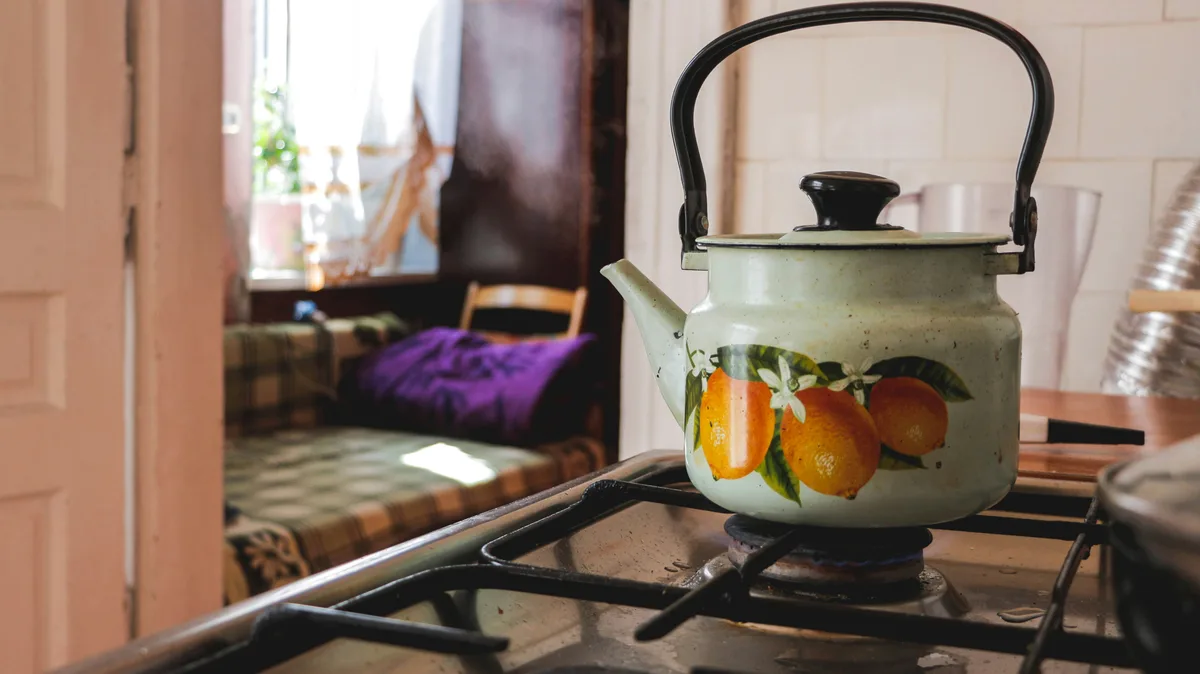
Some household choices lowered plastic particles in a laboratory test, or the fibers a wash sends down the drain. None has been shown to lower the plastic in a person's body or to protect health. Swapping materials is not automatically better: in a 2025 French survey, soft drinks and beer in glass bottles held about 100 microplastic particles per liter, traced to cap paint (level C)1,2. The largest levers are systemic: see Policy & Regulation and Solutions by Approach.
≈100 /L
microplastics in soft drinks and beer sold in glass bottles
France, samples bought June 2023, six per reference; particles 30–500 µm by µFTIR; traced to cap paint1,2
a measurement; the comparison with plastic bottles and cans is disputed (level D)
CLimited≥80%
added nano- and microplastics removed by boiling hard tap water, then filtering
lab test, China; PS, PE and PP particles 0.1–150 µm spiked into tap water harder than 120 mg/L CaCO3 (paper); up to 90% at 300 mg/L and about 25% below 60 mg/L (ACS release)3,4
removal from test water, not a measured change in intake
CLimited2.11 billion
nanoplastic particles released per cm² of container wall
3 minutes of microwave heating; worst container tested; water and 3% acetic acid as food simulants5
release, not measured intake; the effect of switching containers is not quantified
CLimitedHow each action is graded
Each item gives what it aims to reduce, its level, the effect of the action itself where a study measured one, and the main caveat. Particles released by a product are not the effect of avoiding it; unmeasured changes read "not quantified". See Evidence Levels and How to Read the Numbers. P marks facts checked against a guideline, standard or record.
Limitation
Lower exposure is not a proven health benefit. WHO concluded in 2022 that the data were insufficient for a full quantitative risk assessment of micro- and nanoplastics in food and air (level A)6. We found no study testing whether lowering a person's exposure improves health (level E; Europe PMC, 3 November 2026). For questions about your own or your child's health, ask a doctor. What is known about health effects is on Human Body.
In the kitchen, heat is the main driver
Do not heat food in plastic containers. Exposure, food · level C · effect not quantified. In tests by Hussain and colleagues (2023, USA), microwaving released more particles than cold or room-temperature storage. The worst container released 4.22 million microplastic and 2.11 billion nanoplastic particles per square centimeter in 3 minutes5. Caveat: release into water and dilute acetic acid standing in for food; intake was modeled, not measured.
Use loose-leaf tea instead of plastic mesh tea bags. Exposure, drinks · level C · effect not quantified. Hernandez and colleagues (2019, Canada) steeped single nylon and PET tea bags at 95 °C and counted about 11.6 billion microplastic and 3.1 billion nanoplastic particles per cup7. Caveat: counts by microscopy and particle tracking; the polymer was matched to the bag in bulk, not particle by particle.
Prepare infant formula outside the plastic bottle. Exposure, infants · level C · effect not quantified here. Li and colleagues (2020, Ireland) sterilized bottles of 10 polypropylene products, added 70 °C water and measured up to 16.2 million particles per liter. In unsterilized bottles of the worst product, release rose from 0.6 million per liter at 25 °C to 55 million at 95 °C (supplementary data)8.
The team says it devised and tested a modified routine; we could not read the size of the reduction. It keeps sterilizing and rinsing apart: sterilize the bottle, let it cool, rinse it at least three times with boiled water at room temperature. Mix formula in a non-plastic container with water at no less than 70 °C, cool it, then fill the bottle9. WHO recommends that 70 °C step against bacteria (P)10; keep it, and ask a pediatrician first.
Consider a board that is not plastic. Exposure, food · level C · effect not quantified. Yadav and colleagues (2023, USA) estimated 7.4–50.7 g of microplastics per person per year from a polyethylene (PE) board and 49.5 g from a polypropylene (PP) board11. Caveat: an estimate built on assumptions about chopping habits, for these two plastics only.
What you can do
Microwave food in microwave-safe glass or ceramic, and use metal or glass cookware on the stove. In the container and feeding-bottle studies, heat raised particle release (level C)5,8. How much this lowers what you swallow has not been measured.
Drinking water: boil hard water, choose membrane filters
Boil hard tap water, then filter it. Exposure, water · level C · effect: at least 80% of added particles removed. Yu and colleagues (2024, China) added polystyrene (PS), PE and PP particles of 0.1–150 µm to tap water. Above 120 mg/L of calcium carbonate, boiling locked them into limescale, which a simple filter held back3. The American Chemical Society's release gives up to 90% at 300 mg/L and about 25% in soft water below 60 mg/L4.
Caveat: spiked particles in a laboratory, not measured intake. Use a non-plastic kettle: in the infant-bottle team's tests, three new polypropylene kettles released about 11 million particles per liter in one boil (level C)8.
Tap or bottled water. Exposure, water · level C · effect of switching not quantified. Jamison Hart and Lenhart (online December 2025) applied one method, SEM counts with OPTIR polymer identification, to water from four treatment plants near Lake Erie and six bottled brands. Particles measured 300 nm to 42.3 µm; bottled water had significantly higher counts, especially of the smallest12. Ohio State's release puts bottled nanoplastic counts at three times those in treated water13.
Caveat: plant water, not household taps; counts, not mass; one region. Another method counted about 240,000 particles per liter in three US bottled brands, a count disputed over its blanks (level D)14,15,16. EU tap-water monitoring starts at 20 µm (P)17; WHO's 2019 review found no nanoplastic data for drinking water18.
If you use a jug filter, choose one with a membrane. Exposure, water · level C · effect: 78–86% of PVC and 94–100% of PET fragments removed by the two membrane devices. Cherian and colleagues (2023, Canada) tested three pour-through filters with added particles of 30–1,000 µm. The 0.2 µm membrane did best; a carbon and ion-exchange device released more than went in19. Caveat: three devices, nothing below 30 µm.
What you can do
If your tap water is hard (it leaves limescale in the kettle), boil it in a non-plastic kettle and pour it through a fine filter. In the laboratory this removed at least 80% of added particles from hard water (level C)3; the effect on what you drink each day has not been measured.
Indoor air and dust: vacuum and filter
Yakovenko and colleagues (2025, Toulouse) measured a median of 528 microplastic particles of 1–10 µm per cubic meter of home air, and 2,238 in car cabins20.
Vacuum often. Exposure, dust · level C · effect not quantified. Across 108 homes in 29 countries, more frequent vacuuming was associated with less microplastic in settled dust (Soltani and colleagues, 2022)21. Caveat: a questionnaire association with no size given in the abstract; settled dust is not inhaled dose, and HEPA vacuums were not compared.
Run a room air purifier. Exposure, air · level C · effect: 35% less deposition in one office. Deposited microplastic counts fell by an average of 35% with purifiers on in a Malaysian university office (conference paper)22. A 2026 office study found lower indoor-to-outdoor ratios with an air cleaner, except with fans running; its abstract gives no single effect size23. Caveat: offices, not homes; deposition is not inhaled dose.
A HEPA filter retains at least 99.97% of 0.3 µm particles, a rating of the filter, not of a room (P)24. Nanoplastic removal in real rooms is unmeasured (level E; Europe PMC, Crossref, 3 November 2026).
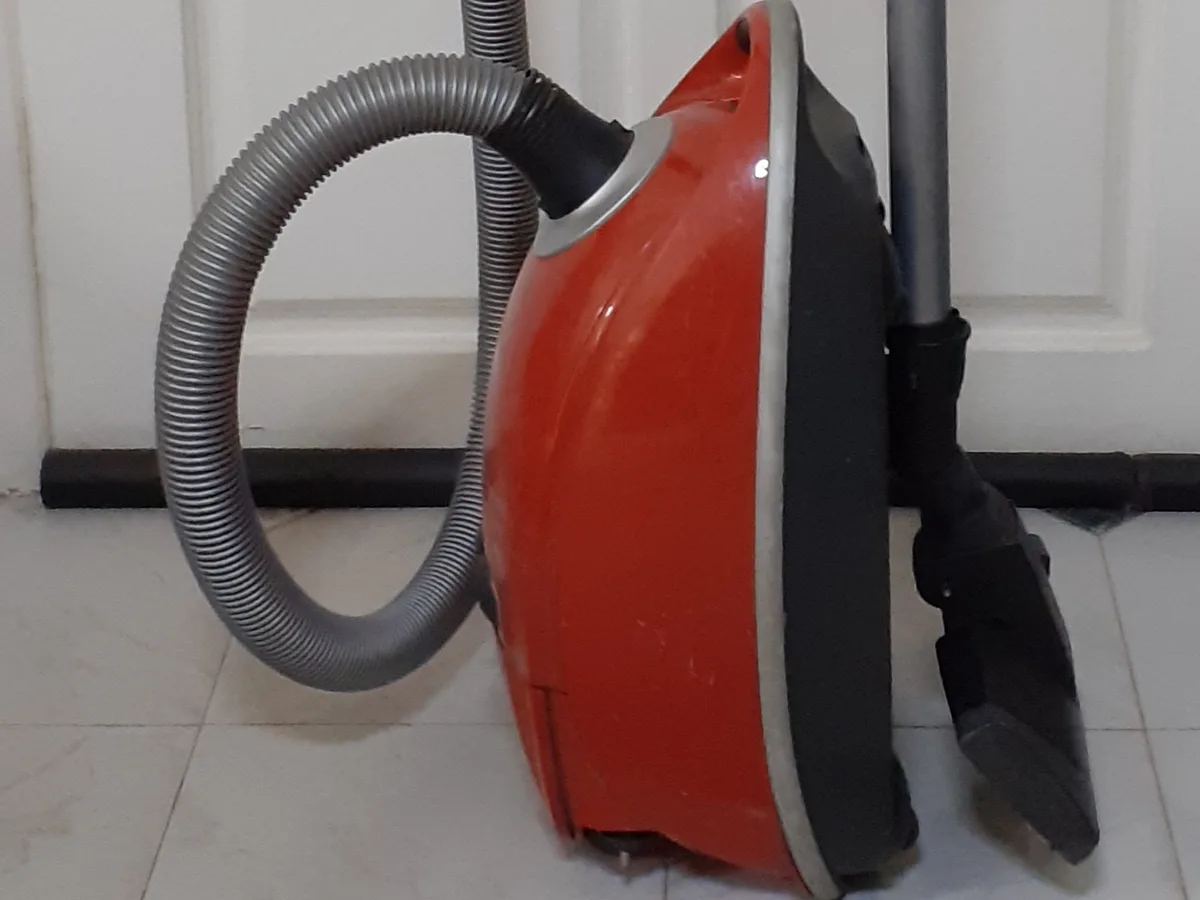
Laundry and textiles: cutting what goes down the drain
These actions reduce emissions to rivers and sludge, not your own exposure. A 6 kg wash of acrylic garments can release more than 700,000 fibers (Napper and Thompson, 2016)25.
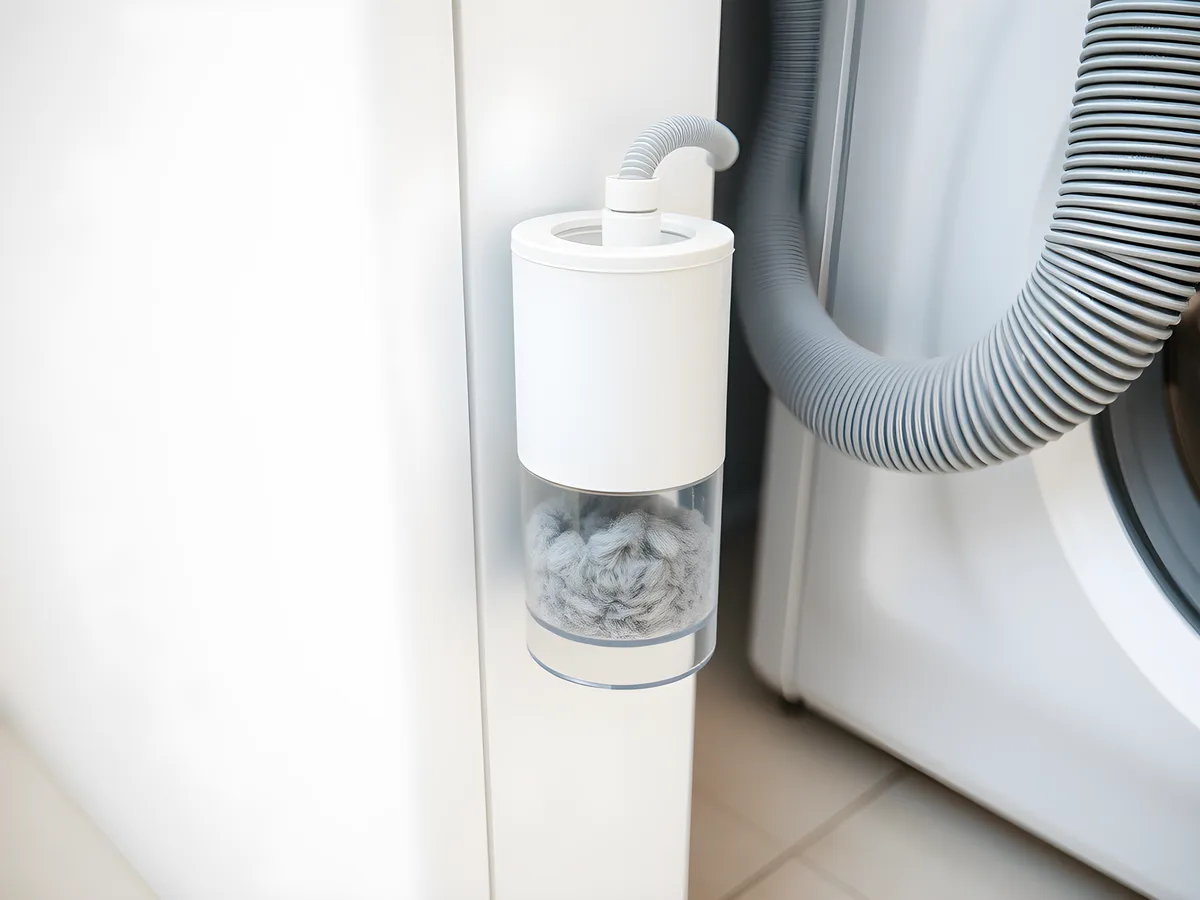
Use an external washing-machine filter. Emissions · level C · effect: about 78% fewer fibers to wastewater, best of six devices compared (Napper and colleagues, 2020)26. In an Ontario town, filters in 97 homes (about 10% of households) came with 41% fewer microfibers in treated effluent27. Caveat: the town result is an association from four sampling events, and changed laundry habits may have added to the drop.
Wash full loads, cold and short. Emissions · level C · effect: 30% less microfiber at 15 °C for 30 minutes than at 40 °C for 85 minutes, in real UK laundry. Loads of 3.5–6 kg released half as much per kilogram as smaller ones28. High-water "delicate" cycles released about 800,000 more fibers per wash than a standard cycle29. Caveat: temperature and time changed together, most fibers were natural, and both studies involved Procter & Gamble.
What you can do
Wash full loads on cool, short cycles and avoid high-water delicate programs. Two studies found less fiber release under these conditions (level C)28,29.
Driving and tires: distance is the main lever
Tire wear is among the largest sources of microplastics on land; per-person emission estimates range from 0.23 to 4.7 kg per year (level B)30.
Drive fewer kilometers. Emissions · level B for the emission factor · effect scales with distance. A review of about 300 measurements put mean passenger-car tire abrasion at 110 mg per vehicle-kilometer31. At that mean, 1,000 fewer kilometers means about 110 g less tire wear (our arithmetic, P). Caveat: wear depends on tire, vehicle, road, weather and driving style.
Brake and accelerate gently. Emissions · level C · effect not quantified. In 76 taxis tracked for 22 months, harsh braking and acceleration mattered most among driving behaviors, though tire type and position mattered more (Liu and colleagues, 2022)32. We found no measured saving for one driver (level E; Europe PMC, Crossref, 3 November 2026). Euro 7 provides for EU tire-abrasion limits (P)33.
Myths and things that do not work
"Microplastic detox" supplements. Level C for two early trials, E for marketed products. In a matched, blinded pilot, 11 adults given chitosan for 15 days had lower measured blood microplastics (1.84 to 1.34 µg/mL); 10 placebo controls showed no significant change34. A 2026 randomized trial of 96 people, a preprint, reported more microplastic in stool after a probiotic35. More plastic in stool does not show less in the body; neither trial reported nanoplastics or health outcomes.
We found no trial of a marketed detox product (level E; Europe PMC, 3 November 2026).
Blood cleaning outside trials. Level C. In 114 patients over 174 plasma exchanges, circulating microplastics fell, but plastic leaching back from the tubing obscured the drop at low starting levels36. Nine of the 13 authors list the clinic company Circulate Health as an affiliation (P)36. The abstract reports no size limit, nanoplastic data or health outcomes. A 2026 industry-sponsored pilot is registered; registration is not evidence (P)37.
"Biodegradable" as a cure. Level C. Over three years in sea, soil and open air, none of the biodegradable, oxo-biodegradable, compostable or conventional bags tested deteriorated reliably in all three settings38.
Replacing every plastic item at once. Level C for the cap source, D for the container ranking. The French survey traced particles in glass-bottled drinks to cap paint, so a new material brings its own sources2. The ranking is disputed (level D). The survey's authors report 5–50 times more per liter than in plastic bottles or cans1. Muncke and colleagues counter that per-liter figures overweight the generally smaller glass bottles and ignore plastic contact before filling39,40.
The survey saw particles only down to 30 µm2; we found no published reply to the comment (Crossref, 3 November 2026). Cleaning caps before sealing cut counts in glass-bottled water from 287 to 87–106 per liter, a factory step1.
Do microplastic detox supplements work?
Can plasma exchange clean plastic from my blood?
Not as a treatment. One company-affiliated series saw fewer circulating microplastics, but tubing released plastic back and no health outcomes were reported (level C,36).
Is bottled water safer than tap water?
Not shown. One same-method study found more particles, especially the smallest, in six bottled brands than in water from four treatment plants (level C,12). We found no study comparing health outcomes (level E).
Should I replace all my plastic kitchenware?
Is biodegradable plastic the answer?
No. In a three-year field test, no bag type deteriorated reliably in sea, soil and air (level C,38).
Does a HEPA purifier remove nanoplastics?
The filter is rated for 0.3 µm particles (P,24), but removal of nanoplastics in a real room has not been measured (level E).
Everyday actions by evidence and measured effect
Data table
| label | value | unit | setting | level | reduces | source |
|---|---|---|---|---|---|---|
| Boil and filter hard tap water | ≥80% | added particles removed (0.1–150 µm) | lab, spiked tap water above 120 mg/L CaCO3 | C | exposure | S-075 |
| Jug filter with 0.2 µm membrane | 94–100% | added PET fragments removed (30–1,000 µm) | lab, three devices | C | exposure | S-166 |
| Jug filter, carbon and ion exchange only | negative | more particles out than in | lab, three devices | C | none shown | S-166 |
| External washing-machine filter | ≈78% | fewer fibers to wastewater | lab, six devices | C | emissions | S-125 |
| Filters in 10% of a town's homes | 41% | fewer microfibers in plant effluent (association) | Ontario town, four sampling events | C | emissions | S-167 |
| Cold, short wash (15 °C, 30 min) | 30% | less microfiber, mostly natural fibers | UK household loads | C | emissions | S-169 |
| Room air purifier | 35% | fewer deposited microplastics, not inhaled dose | one office, Malaysia | C | exposure | S-171 |
| Drive 1,000 km less | ≈110 g | less tire wear (our arithmetic from a mean factor) | passenger-car mean, about 300 measurements | B | emissions | S-184 |
| No microwaving in plastic | not quantified | release measured, intake change not | lab, food simulants | C | exposure | S-161 |
| Loose-leaf tea instead of plastic bags | not quantified | release measured, intake change not | lab, 95 °C | C | exposure | S-077 |
| Non-plastic cutting board | not quantified | exposure estimated for PE and PP boards only | lab chopping plus assumptions | C | exposure | S-162 |
| Formula mixed outside plastic bottle | not quantified | authors tested the routine; size not available to us | lab, Ireland | C | exposure | S-177 |
| Tap instead of bottled water | not quantified | bottled had more particles in one study | four plants, six brands | C | exposure | S-182 |
| Frequent vacuuming | not quantified | association with dust load only | 108 homes, questionnaire | C | exposure | S-170 |
| Gentler braking and acceleration | not quantified | largest behavior factor in one taxi study | 76 taxis, 22 months | C | emissions | S-185 |
| Detox supplements | not established | no trial of a marketed product | E | none shown | S-175 | |
| Plasma exchange | not established | nanoplastics and health not reported | 114 patients, company-affiliated | C | none shown | S-111 |
 Illustration
Beyond the household
These are ways to take part, not actions with a measured effect on particles. Citizen science feeds published research: in Germany, schoolchildren in the Plastic Pirates program sampled litter along rivers for a peer-reviewed survey (P)41. The European Commission's "Have your say" portal accepts comments from anyone on draft EU laws (P)42. What those laws contain is on Policy & Regulation, and what works at plant and city scale on Solutions by System.
How this list is maintained
Snapshot of 3 November 2026. An action gains a measured effect only when a study reports one; grades are revisited as new work appears. Changed on 3 November 2026: tap versus bottled water cites a same-method study, infant-bottle figures follow the paper's supplementary data, and the glass-versus-plastic ranking is graded D. To report an error, use Corrections & Contact.
Sources
- ANSES (2025). The caps of glass bottles contaminate beverages with microplastics. ANSES (French Agency for Food, Environmental and Occupational Health & Safety). www.anses.fr/en/content/caps-glass-bottles-contaminate-beverages-microplastics web open access
- Chaïb I, Doyen P, Merveillie P, Dehaut A, Duflos G (2025). Microplastic contaminations in a set of beverages sold in France. Journal of Food Composition and Analysis 144:107719. doi:10.1016/j.jfca.2025.107719 journal article open access
- Yu Z, Wang JJ, Liu LY, Li Z, Zeng EY (2024). Drinking Boiled Tap Water Reduces Human Intake of Nanoplastics and Microplastics. Environmental Science & Technology Letters. doi:10.1021/acs.estlett.4c00081 journal article
- American Chemical Society (2024). Want fewer microplastics in your tap water? Try boiling it first. American Chemical Society press release, 28 February 2024 (also EurekAlert! 1035369). www.acs.org/pressroom/presspacs/2024/february/want-fewer-microplastics-in-your-tap-water.html press open access
- Hussain KA, Romanova S, Okur I, Zhang D, Kuebler J, Huang X et al. (2023). Assessing the Release of Microplastics and Nanoplastics from Plastic Containers and Reusable Food Pouches: Implications for Human Health. Environmental Science & Technology 57(26):9782–9792. doi:10.1021/acs.est.3c01942 journal article
- World Health Organization (2022). Dietary and inhalation exposure to nano- and microplastic particles and potential implications for human health. World Health Organization, Geneva. www.who.int/publications/i/item/9789240054608 report open access
- Hernandez LM, Xu EG, Larsson HCE, Tahara R, Maisuria VB, Tufenkji N (2019). Plastic Teabags Release Billions of Microparticles and Nanoparticles into Tea. Environmental Science & Technology. doi:10.1021/acs.est.9b02540 journal article
- Li D, Shi Y, Yang L, Xiao L, Kehoe DK, Gun’ko YK et al. (2020). Microplastic release from the degradation of polypropylene feeding bottles during infant formula preparation. Nature Food. doi:10.1038/s43016-020-00171-y journal article
- Trinity College Dublin (2020). High levels of microplastics released from infant feeding bottles during formula prep. EurekAlert! (Trinity College Dublin press release, 19 October 2020). www.eurekalert.org/news-releases/483285 press open access
- World Health Organization, Food and Agriculture Organization of the United Nations (2007). Safe preparation, storage and handling of powdered infant formula: guidelines. World Health Organization, Geneva. www.who.int/publications/i/item/9789241595414 report open access
- Yadav H, Khan MRH, Quadir M, Rusch KA, Mondal PP, Orr M et al. (2023). Cutting Boards: An Overlooked Source of Microplastics in Human Food?. Environmental Science & Technology 57(22):8225–8235. doi:10.1021/acs.est.3c00924 journal article
- Jamison Hart MN, Lenhart JJ (2026). What's in your water? A comparative analysis of micro- and nanoplastics in treated drinking water and bottled water. Science of The Total Environment 1011:181148 (online 17 December 2025; January 2026 issue). doi:10.1016/j.scitotenv.2025.181148 journal article
- Ohio State University (T. Woodall) (2026). What's in your water? More plastic than you realize, new study suggests. EurekAlert! (Ohio State University press release, 2 February 2026). www.eurekalert.org/news-releases/1114949 press open access
- Qian N, Gao X, Lang X, Deng H, Bratu TM, Chen Q et al. (2024). Rapid single-particle chemical imaging of nanoplastics by SRS microscopy. Proceedings of the National Academy of Sciences. doi:10.1073/pnas.2300582121 journal article
- Materić D (2024). Nanoplastics measurements must have appropriate blanks. Proceedings of the National Academy of Sciences 121(48). doi:10.1073/pnas.2411099121 journal article open access
- Qian N, Stapleton P, Yan B, Min W (2024). Reply to Materić: Appropriate blanks should avoid major contamination sources in the lab. Proceedings of the National Academy of Sciences 121(48). doi:10.1073/pnas.2415874121 journal article open access
- European Commission (2024). Commission Delegated Decision (EU) 2024/1441 of 11 March 2024 supplementing Directive (EU) 2020/2184 by laying down a methodology to measure microplastics in water intended for human consumption. Official Journal of the European Union. eur-lex.europa.eu/eli/dec_del/2024/1441/oj web open access
- World Health Organization (2019). Microplastics in drinking-water. World Health Organization, Geneva. www.who.int/publications/i/item/9789241516198 report open access
- Cherian AG, Liu Z, McKie MJ, Almuhtaram H, Andrews RC (2023). Microplastic Removal from Drinking Water Using Point-of-Use Devices. Polymers 15(6):1331. doi:10.3390/polym15061331 journal article open access
- Yakovenko N, Pérez-Serrano L, Segur T, Hagelskjaer O, Margenat H, Le Roux G et al. (2025). Human exposure to PM10 microplastics in indoor air. PLOS One. doi:10.1371/journal.pone.0328011 journal article open access
- Soltani NS, Taylor MP, Wilson SP (2022). International quantification of microplastics in indoor dust: prevalence, exposure and risk assessment. Environmental Pollution 312:119957. doi:10.1016/j.envpol.2022.119957 journal article
- Dewika M, Markandan K, Nagaratnam S, Irfan NA, Jamian NR, Yusuf SY et al. (2024). Identification and Mitigation of Deposited Indoor Air Microplastics in an Office Environment in Kuala Lumpur. E3S Web of Conferences 589:01001. doi:10.1051/e3sconf/202458901001 journal article open access
- Yeh PW, Jung CC (2026). Impact of air cleaner on indoor microplastic pollution in a real indoor environment: Roles of ventilation types, weather conditions, and air pollutants. Environmental Pollution. doi:10.1016/j.envpol.2026.128003 journal article
- US Environmental Protection Agency (2026). What is a HEPA filter?. US EPA. www.epa.gov/indoor-air-quality-iaq/what-hepa-filter web open access
- Napper IE, Thompson RC (2016). Release of synthetic microplastic plastic fibres from domestic washing machines: Effects of fabric type and washing conditions. Marine Pollution Bulletin. doi:10.1016/j.marpolbul.2016.09.025 journal article
- Napper IE, Barrett AC, Thompson RC (2020). The efficiency of devices intended to reduce microfibre release during clothes washing. Science of The Total Environment. doi:10.1016/j.scitotenv.2020.140412 journal article
- Erdle LM, Nouri Parto D, Sweetnam D, Rochman CM (2021). Washing Machine Filters Reduce Microfiber Emissions: Evidence From a Community-Scale Pilot in Parry Sound, Ontario. Frontiers in Marine Science 8:777865. doi:10.3389/fmars.2021.777865 journal article open access
- Lant NJ, Hayward AS, Peththawadu MMD, Sheridan KJ, Dean JR (2020). Microfiber release from real soiled consumer laundry and the impact of fabric care products and washing conditions. PLOS ONE 15(6):e0233332. doi:10.1371/journal.pone.0233332 journal article open access
- Kelly MR, Lant NJ, Kurr M, Burgess JG (2019). Importance of Water-Volume on the Release of Microplastic Fibers from Laundry. Environmental Science & Technology 53(20):11735–11744. doi:10.1021/acs.est.9b03022 journal article
- Kole PJ, Löhr AJ, Van Belleghem F, Ragas A (2017). Wear and Tear of Tyres: A Stealthy Source of Microplastics in the Environment. International Journal of Environmental Research and Public Health. doi:10.3390/ijerph14101265 review open access
- Giechaskiel B, Grigoratos T, Mathissen M, Quik J, Tromp P, Gustafsson M et al. (2024). Contribution of Road Vehicle Tyre Wear to Microplastics and Ambient Air Pollution. Sustainability 16(2):522. doi:10.3390/su16020522 review open access
- Liu Y, Chen H, Wu S, Gao J, Li Y, An Z et al. (2022). Impact of vehicle type, tyre feature and driving behaviour on tyre wear under real-world driving conditions. Science of The Total Environment 842:156950. doi:10.1016/j.scitotenv.2022.156950 journal article
- European Parliament, Council of the European Union (2024). Regulation (EU) 2024/1257 on type-approval of motor vehicles and engines ... with respect to their emissions and battery durability (Euro 7). Official Journal of the European Union. eur-lex.europa.eu/eli/reg/2024/1257/oj web open access
- Cornelli U, Belcaro G, Casella C (2026). Reduction in Circulating Microplastics in Humans Following Gastrointestinal Sequestration by Chitosan: A Pilot Controlled Study. Journal of Xenobiotics 16(3):92. doi:10.3390/jox16030092 journal article open access
- Lu R, Zhao L, Huang X, Dong R (2026). Lactiplantibacillus plantarum PD01 supplementation reduces microplastics and microplastic-associated chemicals in humans: A randomized, double-blind, placebo-controlled trial. medRxiv (preprint, not peer reviewed). doi:10.64898/2026.08.12.26360001 Preprint · not peer reviewed open access
- Weinstein R, Yuksel ZS, Anderson C, Grant D, Milius P, Waldron K et al. (2026). Can Plasma Exchange Be Used to Lower the Circulating Burden of Microplastics in Human Patients?. Journal of Clinical Apheresis. doi:10.1002/jca.70135 journal article
- Proxima Health, Inc. (2026). Removal of Microplastics, Nanoplastics, and PFAS From Human Peripheral Blood Via Double-Filtration Plasmapheresis (DFPP-MNP). ClinicalTrials.gov. clinicaltrials.gov/study/NCT07658443 dataset open access
- Napper IE, Thompson RC (2019). Environmental Deterioration of Biodegradable, Oxo-biodegradable, Compostable, and Conventional Plastic Carrier Bags in the Sea, Soil, and Open-Air Over a 3-Year Period. Environmental Science & Technology 53(9):4775–4783. doi:10.1021/acs.est.8b06984 journal article
- Muncke J, Backhaus T, Brander S, Fini JB, Gündoğdu S, Schür C et al. (2025). Comment on “Microplastic contaminations in a set of beverages sold in France” by Chaïb et al.. Journal of Food Composition and Analysis. doi:10.1016/j.jfca.2025.108310 journal article
- Parkinson L (Food Packaging Forum) (2025). Comment describes concerns with study that found glass bottles have more microplastics. Food Packaging Forum news, 25 September 2025. www.foodpackagingforum.org/news/comment-describes-concerns-with-study-that-found-glass-bottles-have-more-microplastics web open access
- Kiessling T, Knickmeier K, Kruse K, Brennecke D, Nauendorf A, Thiel M (2019). Plastic Pirates sample litter at rivers in Germany – Riverside litter and litter sources estimated by schoolchildren. Environmental Pollution 245:545–557. doi:10.1016/j.envpol.2018.11.025 journal article
- European Commission (2026). Have your say (European Commission public consultation portal). European Commission. ec.europa.eu/info/law/better-regulation/have-your-say_en web open access
Evidence levels and provenance
- AConsensusUsed on this page
- Multiple independent studies or a systematic review plus a statement by a scientific body.
- BWell supportedUsed on this page
- Several independent studies with concordant findings.
- CLimitedUsed on this page
- Few studies, narrow conditions, or methodological caveats.
- DDisputedUsed on this page
- Conflicting results; both sides are shown.
- EUnknownUsed on this page
- No reliable evidence found; the search scope is stated.
- PProvenanceUsed on this page
- Provenance: checked against the primary record. A separate category, not an evidence grade: used for bibliographic facts, legal texts, official metadata, definitions quoted from a standard, the site's own arithmetic and statements about the site's process.
Editorial categories of this site. A–E grade scientific findings, per claim, with a one-line rationale; D and E are not lower rungs of the A–C scale. P is not a grade: it marks facts checked against their primary record.